Spanish Vegetables Vocabulary Exercise 2
A second exercise on Spanish vegetable vocabulary. Covers more vegetables including common ones used in Latin American and Spanish cooking. Elementary level.
🔤 Vocabulary spotlight
More vegetables — texture and taste — los espárragos (asparagus — always plural), el betabel (beetroot — Mexico; la remolacha in Spain), los champiñones (mushrooms), los chiles (chillies), los jitomates (tomatoes — Mexico; los tomates elsewhere), el rábano (radish). A set of flavourful, characterful vegetables.
Jitomate vs. tomate — In Mexico, el jitomate refers to the red tomato; el tomate can mean the green tomatillo. Everywhere else in Spanish, el tomate is the standard word for the red tomato. Los espárragos (asparagus) is used only in the plural — like in English. Los chiles can range from mild to extremely hot; always ask ¿Pica mucho? (Is it very spicy?).
At the market and in recipes — Medio kilo de champiñones, por favor (Half a kilo of mushrooms, please). Los espárragos a la plancha son deliciosos (Grilled asparagus is delicious). ¿Qué tan picante son esos chiles? (How spicy are those chillies?). Haz una ensalada con betabel y zanahoria (Make a salad with beetroot and carrot). El rábano da un toque crujiente (Radish adds a crunchy touch).
✨ Ready to practice? ¡Vamos!
Write the Spanish name for each vegetable; choose from the following words:
espárragos, betabel, champiñones, chiles, jitomates, rábano, lechuga, zanahorias, calabacitas, col
espárragos, betabel, champiñones, chiles, jitomates, rábano, lechuga, zanahorias, calabacitas, col
1. 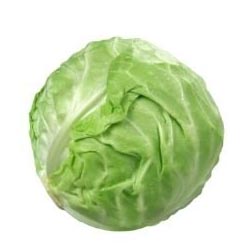 la ✓
la ✓
la ✓2. 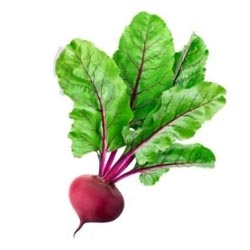 un ✓
un ✓
un ✓3. 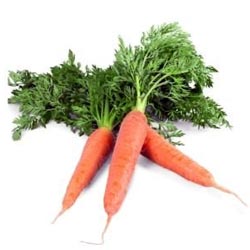 las ✓
las ✓
las ✓4. 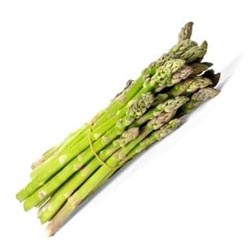 los ✓
los ✓
los ✓5. 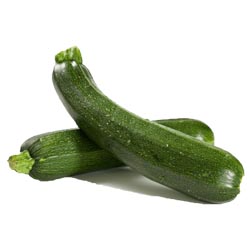 las ✓
las ✓
las ✓6. 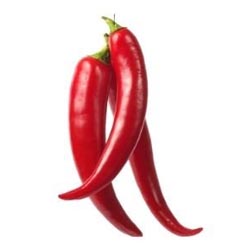 los ✓
los ✓
los ✓7. 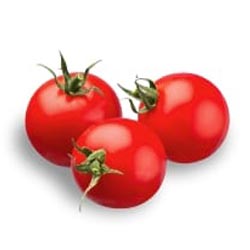 unos ✓
unos ✓8.  la ✓
la ✓
la ✓9.  un ✓
un ✓
un ✓10. 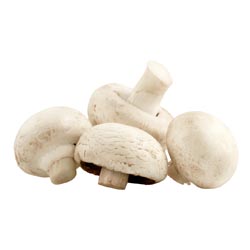 unos ✓
unos ✓Our other sites
Connect & follow


Premium resources
get our printable
WORKSHEETS
grammar & vocabulary
PDFs
Cookie & privacy policy /
Content policy /
Contact: info (at) learnenglishfeelgood.com
© 2008–2026 LearnSpanishFeelGood.com (a division of LearnEnglishFeelGood.com). All rights reserved.