Spanish Vegetables Vocabulary Exercise 1
Practise Spanish vocabulary for vegetables. Each question shows a vegetable — write its correct Spanish name. Beginner–elementary level.
🔤 Vocabulary spotlight
Vegetable vocabulary — la cebolla (onion), la berenjena (aubergine/eggplant), el pimiento (pepper), el aguacate (avocado), la calabaza (pumpkin/squash), el pepino (cucumber), el maíz (corn/maize), el brócoli (broccoli), las papas/patatas (potatoes), el ajo (garlic). Vegetables central to Latin American and Spanish cuisine.
Papa vs. patata — and other regional names — Las papas (Latin America) = las patatas (Spain) — both mean potatoes. El aguacate (most of Latin America and Spain) = la palta (Argentina, Chile, Peru). El pimiento (Spain) = el chile or el ají (Latin America — though these can also mean chilli). Knowing regional variation is key for travelling.
Cooking with vegetables — Pica la cebolla fina (Chop the onion finely). ¿Le ponemos aguacate a la ensalada? (Shall we add avocado to the salad?). El ajo le da mucho sabor (Garlic adds a lot of flavour). La calabaza es perfecta para la sopa (Pumpkin is perfect for soup). Me encantan las berenjenas al horno (I love baked aubergine).
✨ Ready to practice? ¡Vamos!
Write the Spanish name for each vegetable; choose from the following words:
cebolla, berenjena, pimiento, aguacates, calabaza, pepinos, maíz, brócoli, papas, ajo
cebolla, berenjena, pimiento, aguacates, calabaza, pepinos, maíz, brócoli, papas, ajo
1. 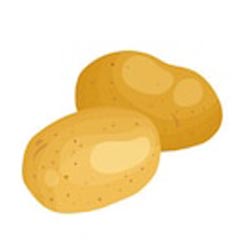 las patatas or las ✓
las patatas or las ✓2. 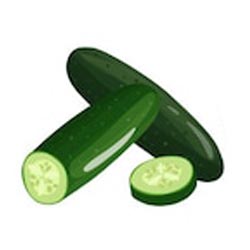 unos ✓
unos ✓3. 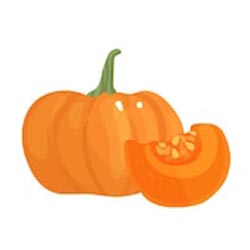 una ✓
una ✓
una ✓4. 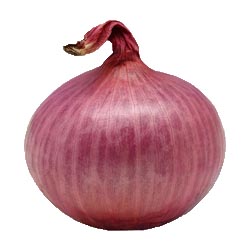 la ✓
la ✓
la ✓5. 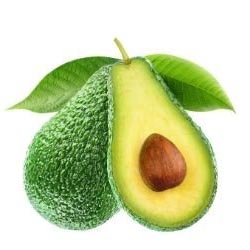 las ✓
las ✓
las ✓6. 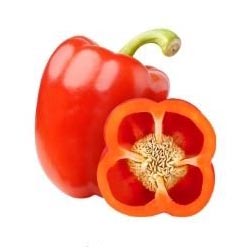 un ✓
un ✓
un ✓7. 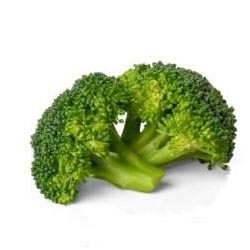 el ✓
el ✓
el ✓8. 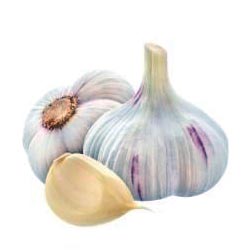 el ✓
el ✓
el ✓9. 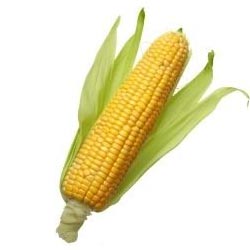 el ✓
el ✓
el ✓10. 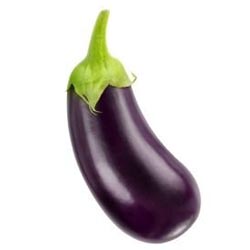 la ✓
la ✓
la ✓Our other sites
Connect & follow


Premium resources
get our printable
WORKSHEETS
grammar & vocabulary
PDFs
Cookie & privacy policy /
Content policy /
Contact: info (at) learnenglishfeelgood.com
© 2008–2026 LearnSpanishFeelGood.com (a division of LearnEnglishFeelGood.com). All rights reserved.